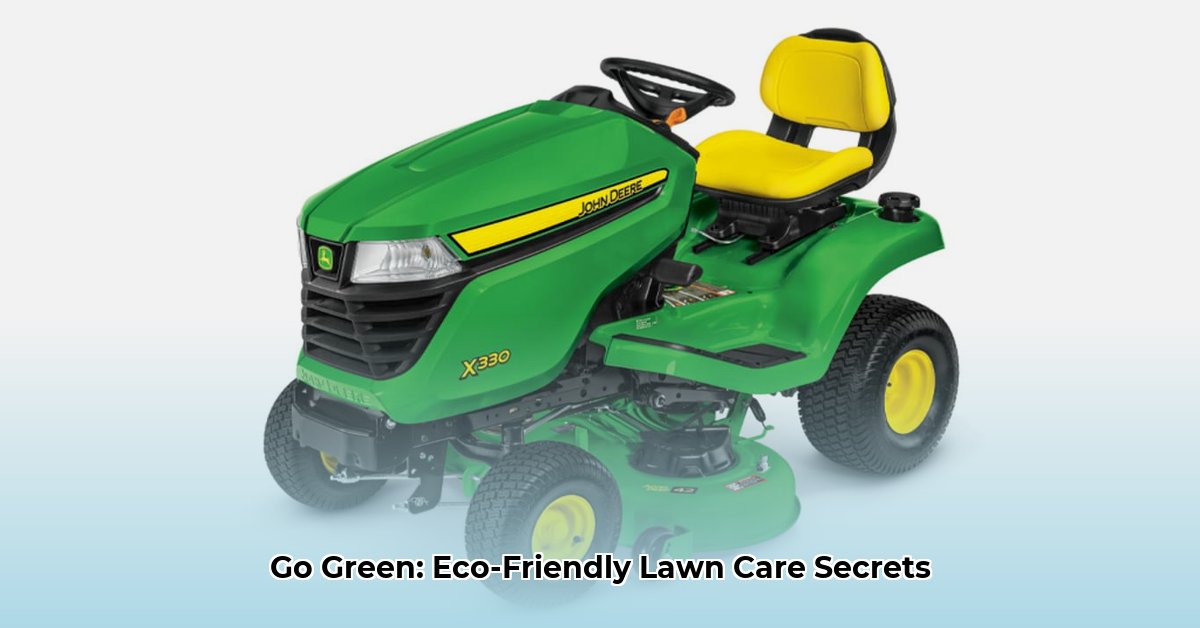
4WD John Deere Lawn Tractors: A Balancing Act of Power and Sustainability
The pursuit of a perfectly manicured lawn often clashes with environmental concerns. High-performance lawn tractors, while offering unparalleled efficiency in landscaping, raise questions about their overall ecological footprint. This article delves into the John Deere X700 series 4WD lawn tractors, examining their performance capabilities and critically assessing their sustainability. For more on small lawn tractors, see this helpful resource. While these powerful machines offer undeniable benefits in terms of operational efficiency, a significant gap exists in readily available data regarding their complete environmental impact. This analysis will highlight what we know, what we don't, and what steps are needed to bridge this knowledge gap.
Performance Capabilities: Power and Precision on the Lawn
John Deere X700 series 4WD tractors are engineered for superior performance. Their robust 4-wheel drive system delivers exceptional traction, even on uneven terrain. This translates to smoother mowing, potentially reducing both time spent and fuel consumed. Multiple cutting deck options cater to diverse landscaping needs, and the tractor's capacity for various attachments extends its utility beyond mowing. The powerful engine ensures efficient cutting, even in challenging conditions. However, raw power alone doesn't tell the whole story; understanding the overall efficiency and lifecycle impact is crucial.
Sustainability Assessment: Unveiling the Hidden Costs
While the immediate benefits of fuel efficiency during operation are clear, a comprehensive understanding of the environmental impact requires a complete lifecycle assessment (LCA). This involves examining the entire product lifecycle, from raw material sourcing and manufacturing to operational emissions and end-of-life disposal. Unfortunately, detailed, publicly accessible LCAs for high-end lawn tractors like the John Deere X700 series are currently scarce.
This absence of comprehensive data limits our ability to make truly informed decisions. Key questions remain unanswered:
Manufacturing Emissions: What is the carbon footprint associated with the manufacturing process, including energy consumption and transportation of materials? This data is crucial for a complete assessment.
Material Sourcing: Are the materials used sustainably sourced? What percentage of recycled materials are incorporated? Full transparency in the supply chain is needed for proper evaluation.
Operational Emissions: Beyond fuel efficiency, what other operational factors contribute to greenhouse gas emissions? Are alternative fuel options being explored?
End-of-Life Management: What are the processes for responsible disposal and recycling of these tractors at the end of their lifespan? Currently, this presents a significant area for improvement within the industry.
Actionable Recommendations: A Collaborative Approach
Addressing the sustainability challenges of high-end lawn tractors demands a multifaceted approach involving manufacturers, consumers, and regulators. The following recommendations outline specific actions to promote greater transparency and eco-friendliness:
For John Deere and other manufacturers:
Publish Independent LCAs: Conduct and publicly release independently verified LCAs for all models, encompassing the entire product lifecycle. This transparency is essential for informed consumer decisions.
Enhance Supply Chain Transparency: Disclose information regarding material sourcing, manufacturing processes, and transportation methods, highlighting the sustainable practices employed.
Invest in Sustainable Innovation: Direct resources towards research and development of sustainable materials and manufacturing processes to minimize environmental impact at every stage.
Implement Robust Recycling Programs: Create readily accessible and comprehensive end-of-life recycling programs to repurpose components and reduce landfill waste.
For Consumers:
Prioritize Long-Term Value: Consider the full lifecycle cost when purchasing, favoring durable, high-efficiency models that minimize the need for frequent replacements.
Adopt Sustainable Landscaping Practices: Implement environmentally conscious landscaping techniques such as using native plants and promoting healthy soil to reduce resource consumption.
Demand Transparency: Support manufacturers that prioritize sustainability through transparent reporting and responsible manufacturing.
Explore Alternative Technologies: Where feasible, investigate and adopt alternative mowing technologies such as electric or robotic mowers to reduce reliance on fuel-powered equipment.
For Regulators:
Standardize Lifecycle Assessments: Enforce standardized LCA protocols for all lawn care equipment to facilitate accurate comparisons and encourage responsible manufacturing.
Incentivize Sustainable Practices: Provide tax incentives or other benefits to manufacturers who actively adopt sustainable practices and to consumers who purchase eco-friendly equipment.
Strengthen End-of-Life Regulations: Develop and implement stricter regulations regarding end-of-life management to minimize landfill waste and promote responsible recycling.
Conclusion: Cultivating a Sustainable Future
High-powered lawn tractors like the John Deere X700 series offer significant benefits in terms of efficiency and performance. However, achieving a truly sustainable future in landscaping requires a collective effort. By demanding transparency, making informed decisions, and supporting sustainable practices at all levels, we can create a landscape that is both beautifully manicured and environmentally responsible. The lack of comprehensive data highlights a critical need for greater transparency and research within the industry—a need that must be met to move towards a truly sustainable future.